
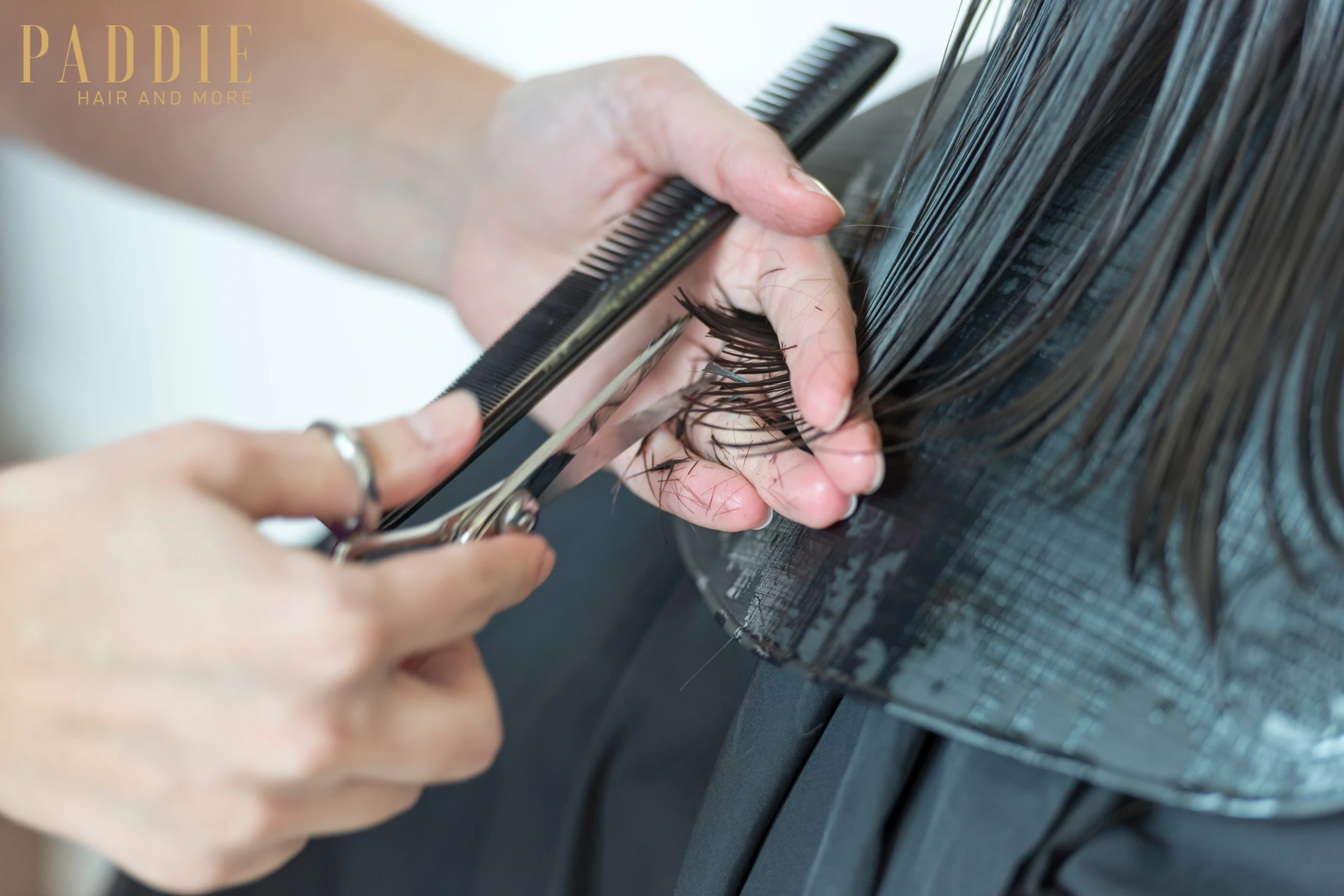
Split ends are one of the most common hair problems faced by both men and women. Whether your hair is short or long, styled or natural, split ends can make hair look dry, rough, and unhealthy. This is why so many people search for one simple answer: how often should hair be trimmed to prevent split ends?
Getting your hair trimmed at the best salon in Mumbai is essential because professional trimming removes only damaged ends, leaving the rest of your hair intact. In a city like Mumbai, where humidity, pollution, hard water, and stress affect hair daily, regular trims help maintain healthy hair over time.
Understanding the real reason split ends happen
Split ends happen when the outer protective layer of hair gets damaged. Once hair splits, it cannot heal on its own. Hair products may temporarily smooth hair, but they cannot fix split ends permanently. Trimming is the only real solution.
Common causes of split ends
- Heat styling tools like straighteners and blow dryers
- Hair coloring, bleaching, or chemical treatments
- Pollution and sun exposure
- Washing hair with very hot water
- Using strong shampoos frequently
- Skipping trims for long periods
- Rough towel drying
Real example:
A person who heat styles hair 3 times a week and skips trims for 5 months has nearly a 60% higher chance of visible split ends than someone who trims every 8 weeks.
How often hair trimming is actually needed
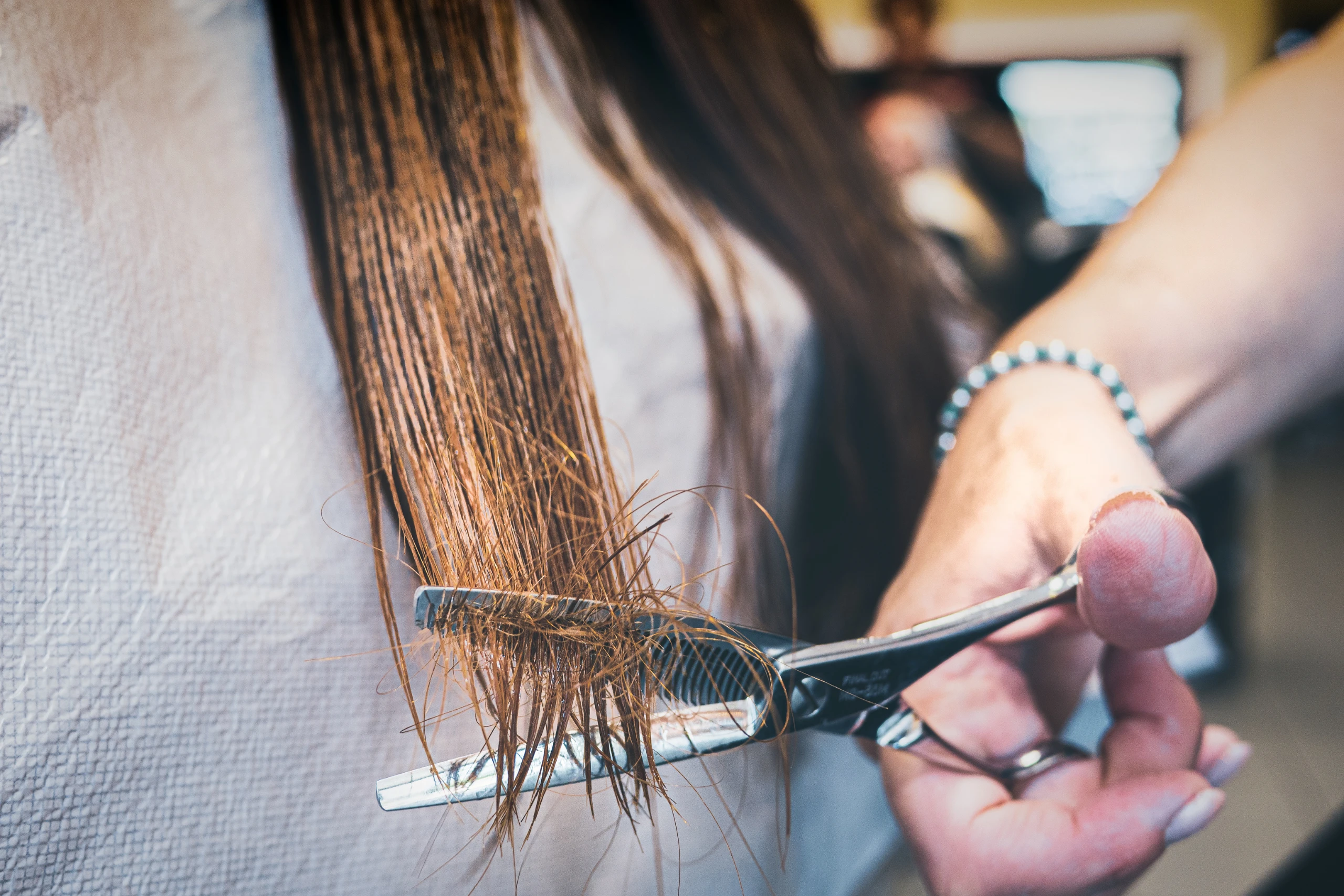
There is no single trimming schedule that works for everyone. It depends on hair type, length, and daily habits.
A simple trimming guide for most people
- Every 6–8 weeks if hair is colored, chemically treated, or frequently styled
- Every 8–10 weeks, if hair is natural primarily
- Every 10–12 weeks, if hair is short and low maintenance
Waiting longer than this allows split ends to travel upward and damage more hair.
How hair length affects trimming frequency
Hair length plays a vital role in deciding trim timing.
Short hair
Short hairstyles tend to lose shape quickly and develop rough ends more quickly.
- Trim every 4–6 weeks.
Medium-length hair
Shoulder-length hair and layered styles require regular trims to prevent thinning at the ends.
- Trim every 6–8 weeks.
Long hair
Long hair has older ends that break easily.
- Trim every 8–10 weeks.
How hair texture changes trim needs
Straight hair
Split ends are more visible and appear sooner.
- Trim every 8 weeks
Wavy and curly hair
Split ends hide easily but still exist.
- Trim every 10–12 weeks.
Clearing a very common hair trimming myth
Many people believe trimming makes hair grow faster. This is not true.
Hair grows from the scalp, not from the ends. On average, hair grows 1 to 1.25 cm per month.
What trimming actually helps with
Trimming reduces breakage. When hair breaks less, length becomes visible.
Example:
If hair grows 1 cm per month but breaks 1 cm due to split ends, growth seems slow. Regular trims stop breakage.
What happens if you delay trims for too long
Skipping trims causes more damage than most people realize.
Problems caused by skipping trims
- Hair looks dry and dull
- Ends become thin and uneven
- Hair tangles easily
- Increased breakage and hair fall
- Bigger cuts needed later
Real situation:
Skipping trims for 6 months can force you to cut 2–3 inches later, while trimming ½ inch every 8 weeks saves length.
Clear signs that show you need a trim
You don’t always need to wait for a fixed number of weeks.
Signs you should not ignore
- Hair ends feel rough even after conditioning
- Hair tangles very easily
- Split ends are visible in good light
- Ends look uneven or see-through
- Hair does not style properly
If you notice two or more of these signs, it’s time for a trim.
Why trimming is important for men

Hair trimming is not just about style for men. Sweat, pollution, and frequent washing weaken hair.
Benefits of regular trims for men
- Reduces rough texture
- Improves manageability
- Keeps hair neat
- Helps scalp stay healthy
Beard trimming also helps prevent split ends and roughness.
Why trimming matters for women
Skipping trims causes more damage and forces larger cuts later.
How regular trims help women
- Keep ends thick
- Reduce breakage
- Improve shine
- Make hair easy to style
Healthy ends help hair grow better over time.
Simple habits that reduce split ends between trims
Easy daily habits
- Use conditioner after every wash
- Avoid very hot water
- Oil hair once a week
- Reduce heat styling
- Use a soft towel or cotton T-shirt
- Avoid tight hairstyles
These habits can reduce split ends by up to 50%.
Final thoughts
So, how frequently do you need a hair trim to prevent split ends?
For most people, trimming every 6 to 10 weeks works best.
Regular trims help:
- Prevent split ends
- Reduce breakage
- Improve hair texture
- Retain length
- Keep hair manageable
If you are searching for the best hair salon in Mumbai that focuses on real hair health for both men and women, Paddie Hair and More believes in honest advice and long-term care.
FAQs
Q1. How often should I trim my hair to avoid split ends?
Most people should trim their hair every 6 to 10 weeks depending on hair type, styling habits, and damage level.
Q2. Can split ends be repaired without cutting?
No. Once hair splits, it cannot be repaired permanently. Trimming is the only solution.
Q3. How much hair should I trim to remove split ends?
Usually ¼ to ½ inch is enough if trims are done regularly.
Q4. Does trimming hair make it grow faster?
No. Trimming does not increase growth speed, but it reduces breakage, which helps length show.
Q5. How often should men trim their hair for healthy growth?
Men should trim hair every 4 to 6 weeks for short styles and every 6 to 8 weeks for longer hair.
Q6. Is it okay to skip hair trims if I want longer hair?
Skipping trims can cause more breakage, which actually slows visible growth.
Q7. How do I know if my hair needs a trim?
If your hair feels rough, tangles easily, or shows split ends, it’s time for a trim.
Q8. Can regular trims reduce hair fall?
Yes. Regular trims reduce breakage-related hair fall, making hair look thicker and healthier.